April 27, 2026
Hardscape services represent a fundamental element in maximizing the potential of your landscape design. These services not only enhance aesthetic appeal but also add noteworthy functional value to your outdoor surroundings. Implementing hardscape features like pathways, patios, and retaining walls has been proven to significantly increase the value and utility of a property. When planned correctly, these installations create long-term improvements that support both daily living and future resale potential. Aspects such as materials, design, and maintenance are pivotal in ensuring the longevity and effectiveness of hardscape installations. Homeowners are more frequently recognizing the possibilities offered by hardscaping in crafting both inviting and durable outdoor environments. This article will explore various hardscape services that are worth considering for any homeowner looking to elevate their outdoor space. With the right approach, these upgrades can transform ordinary yards into highly functional extensions of the home. Beyond simple beautification, hardscape services offer practical benefits. They provide defined structures to your garden, leading to better space management and more purposeful use of your property. By assessing options in line with budget considerations, homeowners can ensure their investments yield valuable returns in the form of enhanced outdoor experiences. Careful planning also allows these improvements to complement existing landscaping features for a cohesive overall design.
1. Patio Installation
1.1 Overview of Patio Installation
Patio installation is one of the most popular hardscape services because it directly expands usable living space. A thoughtfully designed patio creates a comfortable area for relaxation, dining, and entertainment while enhancing the overall flow between indoor and outdoor environments. These installations can be customized to match architectural styles, making them both functional and visually appealing additions.
1.2 Benefits of a Patio
Patios offer undeniable leisure advantages, serving as versatile hubs for activities and relaxation. A well-designed patio increases living space, offering a seamless transition between indoor comfort and outdoor charm. These spaces refresh a property's aesthetic appeal, contributing to significant upgrades in market value. Social gatherings and family activities find a perfect setting on a patio, with ample space to host guests comfortably.
Beyond social purposes, patios can also be private retreats, providing calm spaces for meditation or reading. Essential to property improvement, they accommodate outdoor furniture, grills, and other amenities that would otherwise require indoor space. The flexibility patios bring to property layout results in a more dynamic and enriching home environment. Integrating plants and other decor elements further enhances their value, offering both beauty and environmental benefits.
1.3 Materials for Patios
Choosing the right material for a patio is critical in defining its durability and appearance. Popular options include brick, known for its classic aesthetic and long-lasting nature. Stone is favored for its natural look, offering diverse styles that blend seamlessly with gardens and landscapes. Concrete, being one of the more affordable choices, supports various finishes and designs, providing excellent versatility.
Homeowners increasingly opt for eco-friendly materials, such as recycled stone or sustainably sourced wood, emphasizing environmental responsibility. Each material carries distinct advantages, from thermal efficiency to maintenance ease, which should inform a homeowner's choice based on intended use and climate conditions. Budget constraints also play a role in the material selection process, balancing cost against the expected lifespan and maintenance needs.
1.4 Design Considerations
Crafting a patio's design involves harmonizing architectural elements with personal style and functional objectives. The layout should facilitate natural movement and connection to the home, with strategic positioning to maximize sunlight and scenic views. By incorporating levels or distinct zones, different activities like dining or lounging can be effectively catered for without disturbances.
Incorporating greenery or vertical gardens can soften hard surfaces, creating a more holistic outdoor experience. Consideration for shade, provided by structures like pergolas or awnings, ensures usability across various weather conditions. Attention to textures, colors, and consistent thematic elements plays a crucial role in creating cohesive and inviting patio spaces.
2. Walkway Construction
2.1 Overview of Walkway Construction
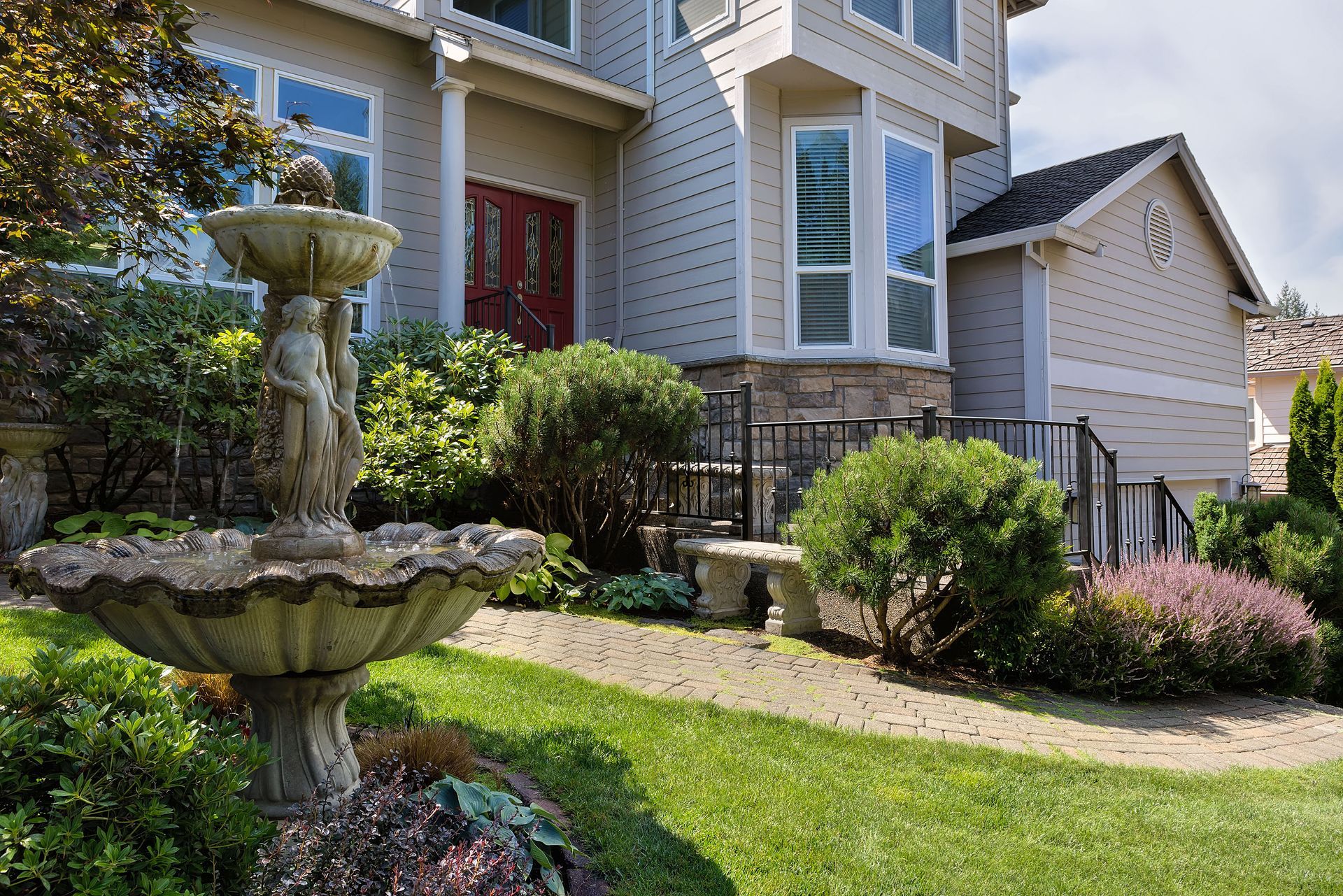
Walkways are essential hardscape services that guide movement and define how outdoor spaces are experienced. They create structure within a yard while protecting grass and soil from excessive foot traffic. Well-designed walkways also contribute to a property's visual flow, connecting key areas such as entrances, patios, and gardens.
2.2 Purpose of Walkways
Walkways deliver practical and aesthetic enhancements to residential landscapes, guiding movement and defining spatial navigation. They clearly outline routes in a landscape, reducing soil compaction and maintaining lawn health. Aesthetic considerations, afforded by details like shape and material, enhance overall curb appeal.
Beyond mere function, a well-designed walkway ties together landscape elements, offering continuity and coherence. It can create focal points or invite exploration, especially when incorporated with features like lighting or plants lining its path. This blends utility with beauty, delivering holistic improvements to property presentation.
2.3 Types of Walkway Materials
Consideration of material options ensures walkways align with both setting and service expectations. Gravel offers flexibility and economy, permitting varied pathway shapes and styles with ease of installation. Pavers provide diverse patterns and colors, supporting customized designs suited to distinct settings. Thoughtful layout decisions, such as curves or straight paths, further influence how the space is perceived and used.
Safety and accessibility should remain priorities when designing walkways. Proper grading, non-slip textures, and adequate width ensure that paths are comfortable and secure for all users. Adding lighting or borders can improve visibility and reinforce structure throughout the landscape.
3. Retaining Wall Installation
3.1 Overview of Retaining Walls
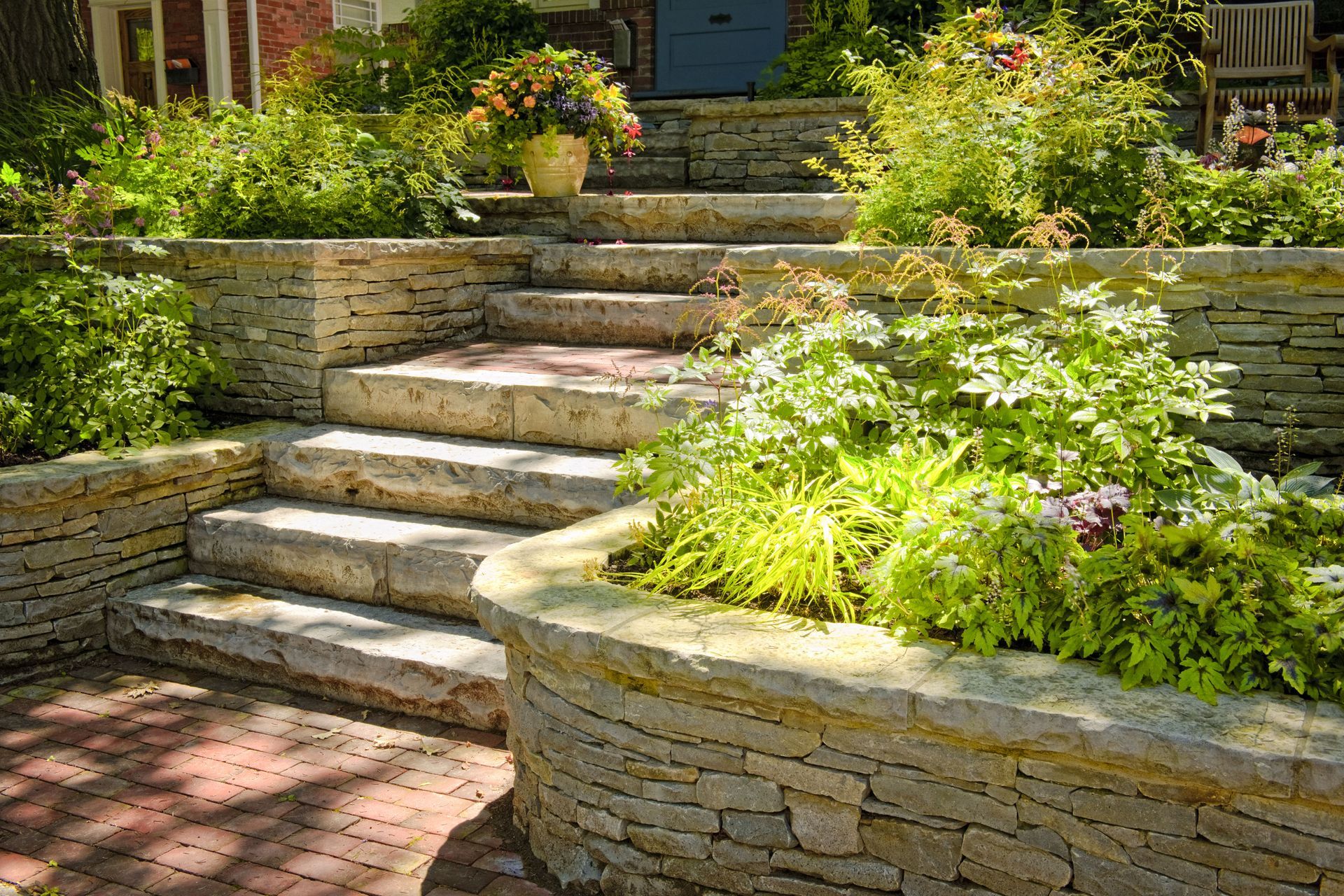
Retaining walls are another key component of hardscape services, offering both structural and visual benefits. These features stabilize soil, manage elevation changes, and create usable flat areas in sloped landscapes. They are especially valuable in properties where erosion or drainage issues need to be addressed effectively.
3.2 Functions of Retaining Walls
Retaining walls anchor soil in place, preventing erosion and enabling terraced garden designs. Their foundational role in landscape architecture stabilizes slopes and grades, expanding landscapes' usability. The added flat ground facilitates various activities or constructions, from planting to recreation areas. According to This Old House, for retaining walls, conduct inspections at least once a year, and more frequently after severe weather events or earthquakes, which highlights the importance of ongoing maintenance in preserving their structural integrity and long-term performance.
These structures also establish defined landscape borders, delineating property boundaries or distinct zones like patios or gardens. Architecturally, they introduce rhythms and focal points, enhancing design depth and dynamics further. Retaining walls can even double as seating, blending function with convenience.
4. Driveway Construction
4.1 Overview of Driveway Construction
Driveways are a critical part of hardscape services, combining durability with strong visual impact. As one of the first features visitors see, a well-constructed driveway contributes significantly to curb appeal while supporting daily vehicle use. Choosing the right design and materials ensures long-term performance.
4.2 Choosing the Right Material
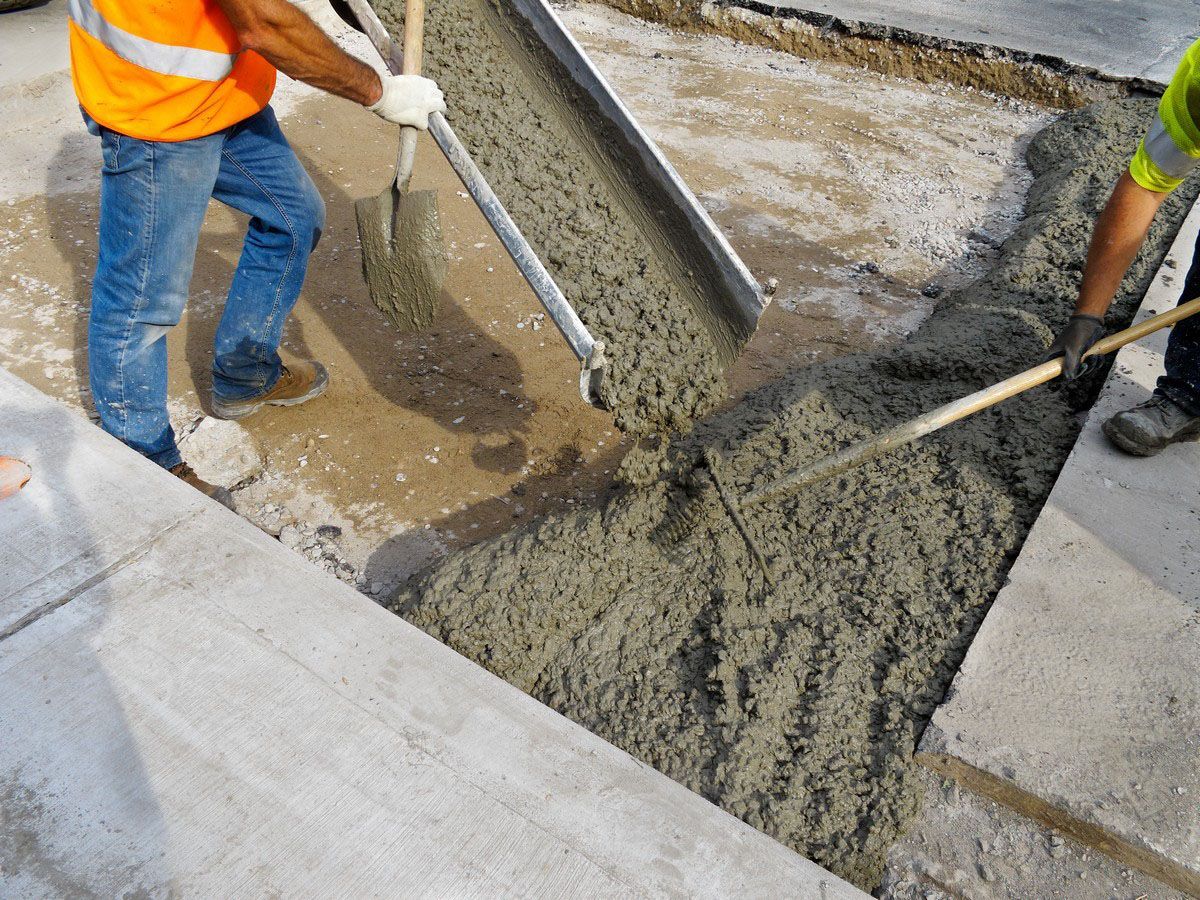
Material selection for driveways demands combining durability and design, with options like asphalt, concrete, and gravel. Asphalt offers cost-effectiveness with smooth appearance and installation simplicity, ideal for moderate climates. Concrete provides durability and diverse finishing styles, ensuring a robust, tailored design.
Innovations such as permeable pavers are becoming more popular, allowing water to drain through the surface and reducing runoff. These options not only improve functionality but also support environmentally conscious design practices.
Ultimately, hardscaping adds lasting value by improving functionality, enhancing visual appeal, and increasing property usability. Whether through patios, walkways, retaining walls, or driveways, these improvements create outdoor spaces that homeowners can enjoy for years. With thoughtful design and consistent upkeep, these enhancements continue to deliver both practical and aesthetic benefits over time. Contact SGI TURF INC today and learn more about our hardscaping services.